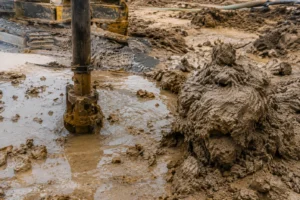
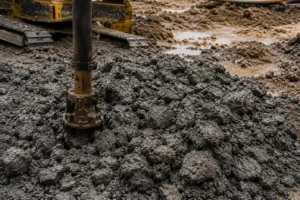
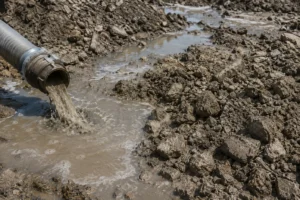
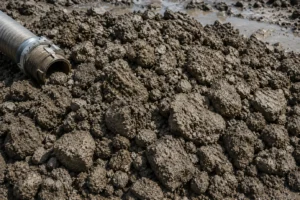
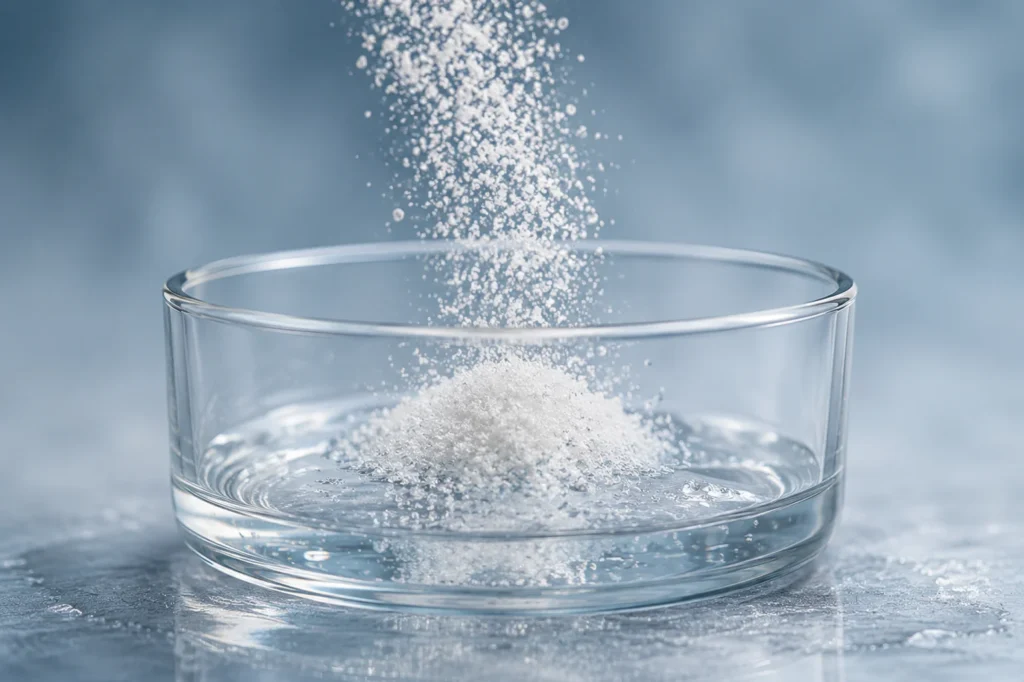
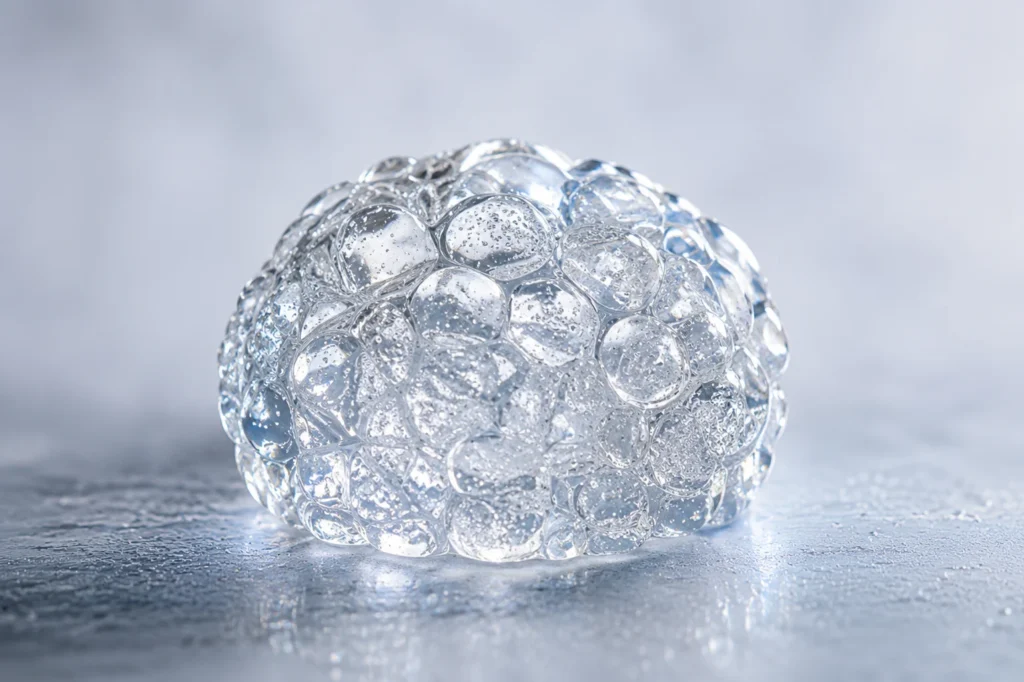
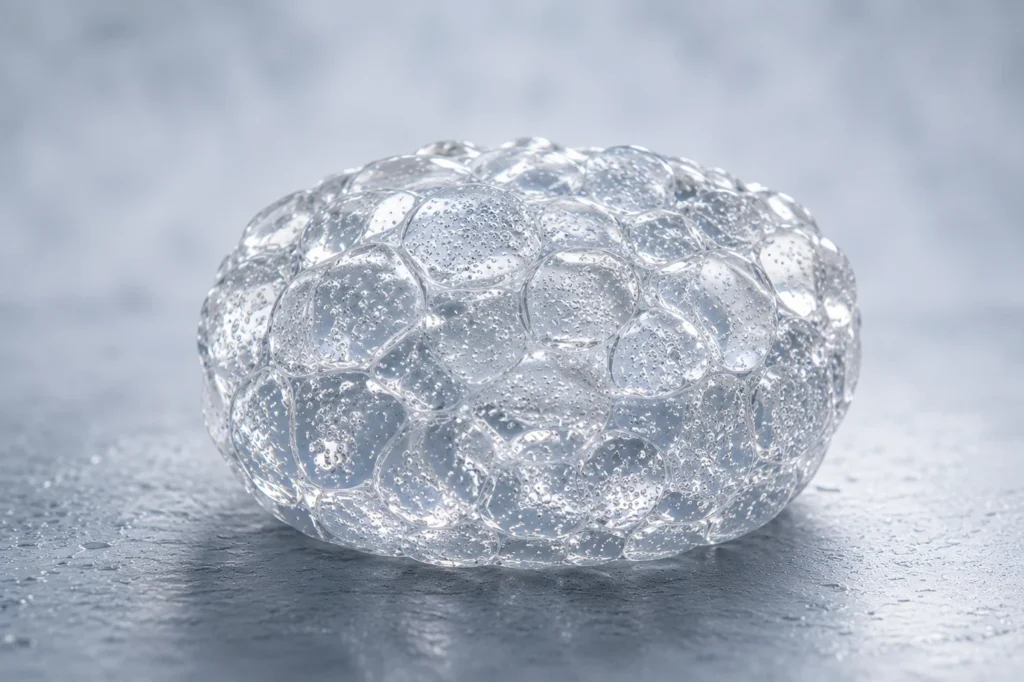
Superabsorbent polymer (SAP) quickly absorbs and locks in liquids to reduce volume, improve safety, and lower disposal costs across demanding industrial environments.
M² superabsorbent polymer is a proven solution for stabilizing liquid waste, sludge, and contaminated water so it can be handled, transported, and disposed of safely and cost-effectively.
A superabsorbent polymer (SAP) is a cross-linked, water-loving polymer that absorbs and retains many times its own weight in aqueous liquid, swelling into an insoluble gel that holds the liquid even under pressure.
Does SAP work with salt water?
It still works, but absorbs far less. Salts shrink the osmotic force that drives absorption, so a grade rated for hundreds of times its weight in pure water may hold only a fraction of that in saline or wastewater.
How do I choose the right SAP for my application?
Start with the liquid (and its salt load), then the capacity you need, the speed, the form factor, and any constraints like pH or temperature. Our team can match your liquid, volume, and application to the right grade just request a quote
How much liquid can SAP absorb?
In pure water, a high-capacity SAP can absorb 100–1,000 times its weight. In real liquids that carry dissolved salts, capacity drops sharply, often by 80–90%. Always size for the actual liquid, not the lab figure.
Is superabsorbent polymer biodegradable?
Conventional sodium-polyacrylate SAP is not readily biodegradable. Bio-based and starch- or cellulose-grafted grades offer more biodegradability, usually at the cost of some capacity.
Can SAP be used with oils or hydrocarbons?
Generally no. Standard sodium-polyacrylate SAP is designed for aqueous (water-based) liquids and does not absorb pure oils or hydrocarbons well. For oil spills, an oleophilic (oil-loving) sorbent is the right choice; SAP handles the water fraction.

 Agriculture
 Construction
 Environmental Remediation
 HDD & Tunneling
 Hydro Vac Waste
 Industrial Waste
 Mining & Tailings
 Oil & Gas
 Spill Control
 Waste Services
 Water & Wastewater